
31°C, New York


Notification products, updates
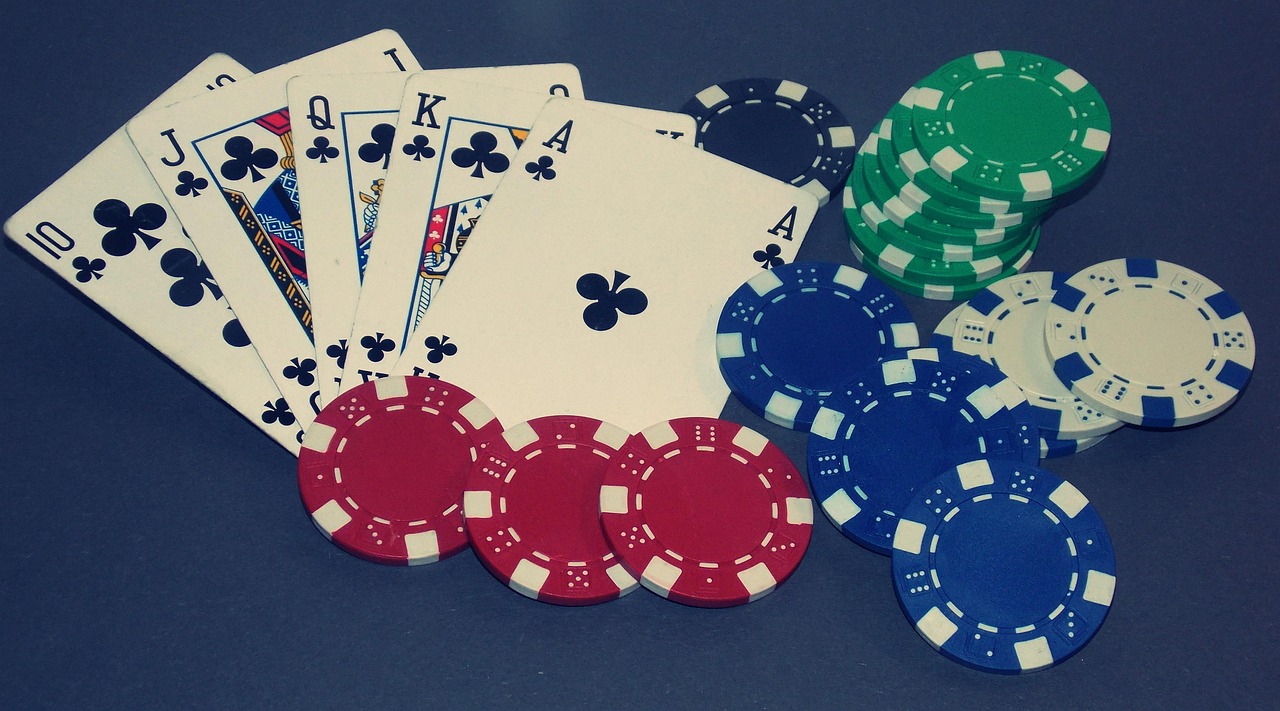
Ask ten regular players why they win or lose at online casinos and you'll get ten different answers: luck, hot streaks, the algorithm, the time of day, the bonus code they used. Ask anyone who has actually tracked their results over a few thousand spins, though, and you'll hear something far less mystical. The gap between players who consistently walk away ahead and those who don't rarely comes down to magic. It comes down to math, bankroll management, and knowing which games are worth your time.
Let's dig into what actually separates the two groups, without the usual hand-waving.
Every casino game has a built-in advantage for the operator. It's called the house edge, and it's the single most important number you can learn as a player. It's not a small detail. It's the difference between a game where you might grind out a profit over months and one where your money evaporates within an hour.
Here are rough house edges for common games:
Notice the spread. A player betting $10 per hand at a 0.5% game loses an expected 5 cents per bet. At 5.26%, they lose more than 50 cents per bet. Over 1,000 bets, that's the difference between a $50 expected loss and a $526 one. Same stake, same time spent, completely different outcomes. This is the foundation everything else sits on.
There's a reason experienced players talk about bankroll management the way fitness enthusiasts talk about sleep. It's unglamorous, nobody markets it, and it quietly determines everything.
The principle is simple: your bankroll should be large enough to absorb normal variance without forcing you to change your bet size. A common guideline is to keep your per-bet amount at around 1% to 2% of your total bankroll for casino games. If you have $500 to play with, that's $5 to $10 per bet. If you have $50, you're looking at $0.50 to $1, which means many slot minimums will eat you alive long before a decent win lands.
A few practical rules that actually help:
The players who lose badly almost always do so because they broke one of these rules, not because the games were rigged against them specifically.
Slots get dismissed as pure luck by table game purists, but there's real strategy in which slots you choose. Take a look at สล็อต for a fuller picture.
The Return to Player percentage (RTP) is the headline number. A slot with 96.5% RTP pays back $96.50 for every $100 wagered over millions of spins. That's better than a slot at 92%. But RTP alone doesn't tell you how the game pays. Volatility matters just as much:
A high-RTP, high-volatility slot with a small bankroll is a recipe for frustration. Match the game to your budget, not the other way around. And check whether the casino publishes individual game RTPs. Reputable ones do, and the numbers can vary by 1% to 2% between the same game at different operators.
Here's the uncomfortable truth about most casino games: no amount of skill makes you a long-term winner against the house edge. Poker is the exception. In poker, you're not playing the house. You're playing other people, and the house just takes a cut.
That means a skilled player can genuinely win long term, but only if their edge exceeds the rake. In low-stakes online cash games, the rake is typically 4% to 5% of the pot, capped. That's a real hurdle. You need to be meaningfully better than your opponents just to break even after rake, let alone profit.
What separates winning poker players from losing ones? Not the ability to bluff more. It's mostly these:
Most losing players lose because they play too many hands from bad positions and refuse to drop down in stakes when their bankroll shrinks. It's rarely about the river card.
Welcome bonuses look generous and often are not. The headline number, say a 100% match up to $500, hides the wagering requirement, which is the number of times you must bet the bonus before withdrawing. Common requirements sit between 30x and 50x.
Do the math before you opt in. A $100 bonus at 40x wagering means $4,000 in total bets before you can cash out. And the games that count toward wagering are often restricted slots with lower RTPs. Some bonuses simply aren't worth the lock-in. Others, particularly reload bonuses or free spins with low wagering, can meaningfully boost your effective return if you were going to play anyway.
The rule of thumb: never play differently than you normally would just to chase bonus terms. That's how a helpful promotion turns into a $400 deposit you can't touch.
The players who do well at online casinos tend to share a mindset rather than a secret. They treat it as entertainment with a cost, not a retirement plan. They pick games with sensible house edges, manage their bankroll with the seriousness of an accountant, play poker only when they're actually better than the table, and read bonus terms before clicking accept. The house edge is going to collect its share either way. Your job is to make sure it collects as little as possible and that the fun you get in return is worth the price.

The Coppice Journal shares practical, down-to-earth guidance on woodland management, coppicing, and traditional rural crafts for readers across the UK.
Stay Tuned With Updates


Leave A Comment