
31°C, New York


Notification products, updates
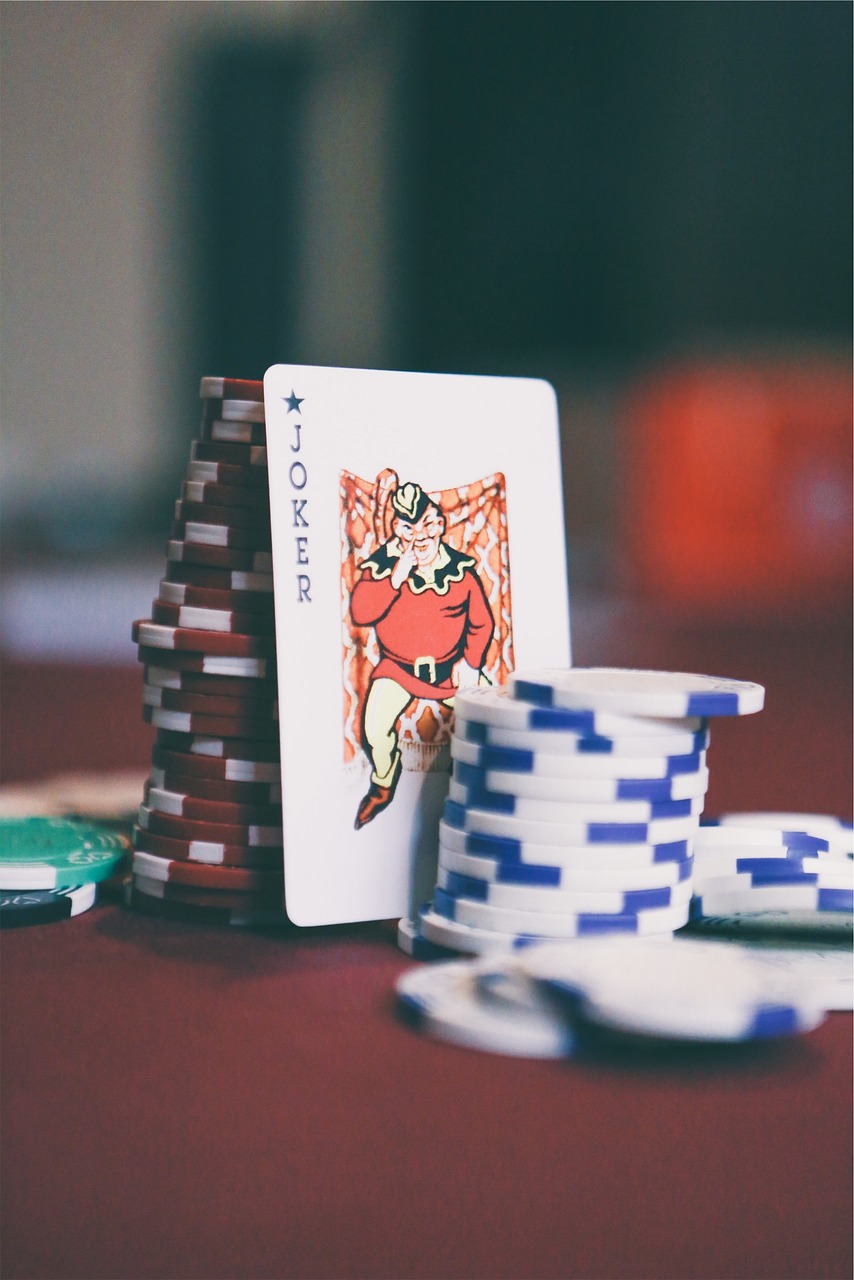
Most players never look past the spinning reels or the flip of a card. They chase a feeling—the rush of a near miss, the dopamine hit of a bonus round—without ever asking what's actually happening under the hood. But here's the uncomfortable truth: the games don't care how you feel. They answer to mathematics, and that math is ruthlessly consistent over time. Understanding it won't guarantee you a jackpot, but it will stop you from bleeding money on bets you never understood in the first place.
Every casino game carries a built-in advantage for the operator. This is the house edge, and it's the single most important number in iGaming. It's not a scam—it's the business model. The question is whether you know what you're paying.
Take European roulette. A single-zero wheel has 37 pockets, and a straight-up bet pays 35 to 1. If the payout were fair, it would pay 36 to 1. That missing unit is the house edge, which works out to 2.7%. American roulette, with its extra double-zero pocket, pushes that edge to 5.26%. Same game, same excitement, nearly double the cost over thousands of spins. For a closer look, สล็อต has helpful details.
Blackjack flips the script depending on how you play. With basic strategy—a mathematically optimal set of decisions for every hand—the house edge can drop below 0.5%. Play by gut instinct, and it can balloon past 2%. The cards don't change; your decisions do.
That last entry matters. Slots are the most popular category in iGaming precisely because they're the most opaque. You can't calculate the edge from the paytable alone—you need the RTP figure, and not every operator makes it easy to find.
Return to Player (RTP) is the long-run percentage of all wagered money a slot returns to players. A 96% RTP slot keeps 4% over millions of spins. Here's the catch: that 96% is a theoretical average across an essentially infinite sample. In a single two-hour session, variance—not RTP—decides your outcome.
This is where volatility comes in. High-volatility slots pay rarely but can pay enormously. Low-volatility slots drip small wins frequently. Neither is better; they suit different bankrolls and temperaments. A player with a $50 bankroll grinding a high-volatility slot with a $2 spin is statistically likely to bust before the big hit arrives. The same player on a low-volatility game gets more playtime but fewer lottery-ticket moments.
Poker is the beautiful exception to all of this. In cash games, you're not playing against the house—you're playing against other people, and the house takes a rake. A skilled player can achieve a positive expected value over time. That's why poker attracts a different breed: people who treat the game as a skill contest with a manageable cost of doing business.
Modern slots run on Random Number Generators (RNGs). Every spin is independent. A machine that hasn't paid out in three hours is no more likely to pay on the next spin than one that just hit a jackpot. This is the gambler's fallacy, and it's responsible for more lost money than any other misconception.
When you evaluate a slot, look beyond the theme and animations. Check these:
A slot with 96.5% RTP, medium volatility, and a 10,000x max win is a very different animal from a 94% RTP, extreme-volatility game with a 50,000x cap. Both can be fun. Only one might fit your budget.
You cannot beat the house edge on slots or roulette through betting systems. Martingale, Fibonacci, D'Alembert—they all fail eventually because they assume infinite bankrolls and no table limits, neither of which exists. What you can control is how long your money lasts and how much you're willing to lose.
A practical framework looks like this:
That last point trips up more players than any other. A generous-looking bonus with brutal wagering terms can be worth less than no bonus at all. Read the terms. Always.
Poker players talk openly about tilt—the emotional spiral that turns a good player into a donating one. The same phenomenon exists in every iGaming vertical. Slots players chase losses. Sports bettors double down on a bad read. The trigger is always the same: emotion overriding process.
Signs you're on tilt include betting larger than planned, switching games randomly, playing past your stop-loss, and feeling angry rather than entertained. When any of these appear, the correct play is to close the session. Not in ten minutes. Now.
Serious players treat iGaming as entertainment with a defined cost, not as an income stream. The moment it stops being fun, the math stops mattering—and that's when the real damage happens. Reputable operators offer deposit limits, session timers, and self-exclusion tools. Use them without shame. They exist because the house knows the long run always favors the house, and responsible players last longer.
iGaming rewards curiosity and punishes ignorance. You don't need a statistics degree, but you do need to understand what you're paying for with every spin, hand, and bet. RTP tells you the long-run cost. Volatility tells you the ride. Bankroll management tells you how long you get to stay on it. Master those three, and you'll play smarter than the vast majority of people feeding the machines—and you'll enjoy it more, too.

The Coppice Journal shares practical, down-to-earth guidance on woodland management, coppicing, and traditional rural crafts for readers across the UK.
Stay Tuned With Updates


Leave A Comment