
31°C, New York


Notification products, updates
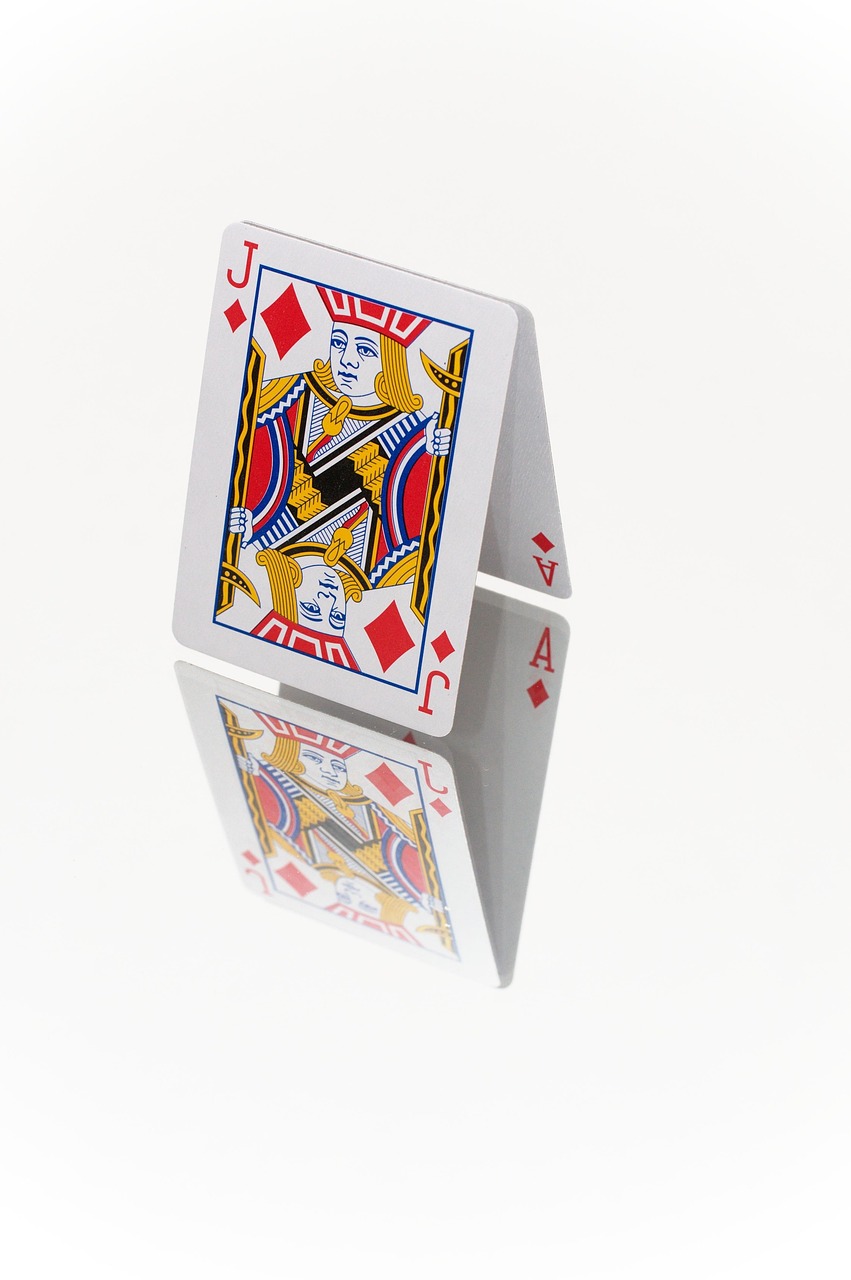
There is a specific kind of silence that falls over a poker room at 3 a.m. It is not quiet—chips are still clinking, a dealer is still shuffling—but the energy has shifted. The tourists have gone to bed. What remains are the regulars, the grinders, and the people who famously "have a system." That moment, more than any flashy slot machine or banner ad, is the true heart of iGaming. It is a world built on math, psychology, and the eternal human hope that variance will break in our favor.
Whether you are spinning reels on your phone during a commute, grinding micro-stakes online, or studying odds for a weekend accumulator, the ecosystem has never been more accessible. But accessibility is a double-edged sword. This is a look at the current landscape—not as a hype piece, but as a practical guide to navigating slots, tables, and sportsbooks without losing your shirt or your mind.
Slots are the undisputed revenue engine of the casino world. They are also the most misunderstood. Walk into any land-based casino or load up an online lobby, and you will see thousands of titles. The flashing lights suggest chaos, but underneath, it is cold, hard arithmetic. Some of the clearest guidance on this comes from สล็อต.
The first number you need to understand is RTP, or Return to Player. This is the theoretical percentage of all wagered money that a machine will pay back over millions of spins. A 96% RTP slot keeps 4% for the house. Simple. But here is the catch that trips up most players: RTP is a long-term average. In a single session, you could hit a 1000x jackpot or lose twenty spins in a row on a 99% RTP game. The math does not know you are "due." Each spin is an independent event.
Then you have volatility. This is the personality of the game.
My advice? Stop chasing jackpots on low-volatility games. Stop expecting steady returns on high-volatility games. Match the game's personality to your bankroll and your patience level. If you have a small bankroll and want to play for two hours, high volatility will destroy you.
If slots are a lottery with extra steps, poker is a skill game wrapped in a gambling wrapper. It is also where the most money is routinely left on the table by amateurs who only know how to play their cards, not their opponents.
Online poker has changed drastically in the last decade. The era of the easy-money "fish" pond is mostly over on major sites. Thanks to tracking software (HUDs), solvers, and training sites, the average micro-stakes reg is light years ahead of where they were in 2010. However, that does not mean you cannot win. It means you need to be selective about where and when you play.
Look for soft spots:
And a hard truth: stop trying to bluff a calling station. The fastest way to win at low-stakes poker is to value bet relentlessly. Let them make the mistakes.
Sports betting has exploded, and with it, a fundamental misunderstanding of what the odds actually represent. A common rookie mistake is thinking the favorite is predicted to win. No. The odds are designed to balance the book, ensuring the sportsbook profits regardless of the outcome.
Take a typical NFL game with a spread of -7. The bookmakers are not saying Team A will win by exactly seven points. They are setting a line that encourages equal money on both sides. The sharp bettors are not betting on who will win; they are betting on where the line is wrong. This is called finding "value."
If you think a team has a 60% chance to win, but the odds imply only a 50% chance, you have a positive expected value (+EV) bet. It does not guarantee a win, but over 100 bets, you will profit. Most casual bettors never think this way. They bet with their hearts, chase losses, and parlay everything for lottery-style payouts. If you want to survive, stop parlaying every weekend. Straight bets are boring, but they are the only way to consistently extract value from the sportsbook.
If you have been on any crypto casino recently, you have seen Crash, Limbo, and Plinko. These are not your grandfather's slots. They are categorized as "provably fair" games, meaning you can actually verify that the outcome was not manipulated after you placed your bet.
The mechanism is usually a hash seed. The player contributes a seed, the casino contributes a seed, and the result is mathematically determined. This appeals to a generation that does not trust traditional RNG (Random Number Generator) audits.
However, do not confuse "provably fair" with "good odds." A 1% house edge on a Crash game is fantastic compared to a 15% edge on a specialty slot, but the volatility is brutal. The strategy is simple: set an auto-cashout at 1.5x, never deviate, and pray variance does not hit you with a string of immediate busts. It will happen. The math guarantees it.
You can have the best reads in poker, the sharpest model for football, and the luckiest slot session of your life. Without bankroll management, you will lose it all. It is the unsexy foundation of every successful gambler.
Here is a simple rule set:
I have watched skilled poker players go broke because they took a shot at a $5/$10 table with a $200 bankroll. The skill gap was irrelevant. The variance was always going to win.
The walls between casino, sports, and poker are crumbling. Major operators are integrating everything into a single app with one wallet. You can bet on a tennis match, jump into a quick-fire slot, and then sit at a poker table without ever leaving the interface.
This is fantastic for convenience, but dangerous for discipline. The friction of moving money—or even switching apps—used to be a natural cool-down period. Now, it is one tap.
The house edge is always there, ticking away. But the player who understands RTP, respects volatility, bets for value, and guards their bankroll like a fortress is not playing the same game as the tourist. They are playing the long game. And in iGaming, the long game is the only one worth playing.

The Coppice Journal shares practical, down-to-earth guidance on woodland management, coppicing, and traditional rural crafts for readers across the UK.
Stay Tuned With Updates


Leave A Comment